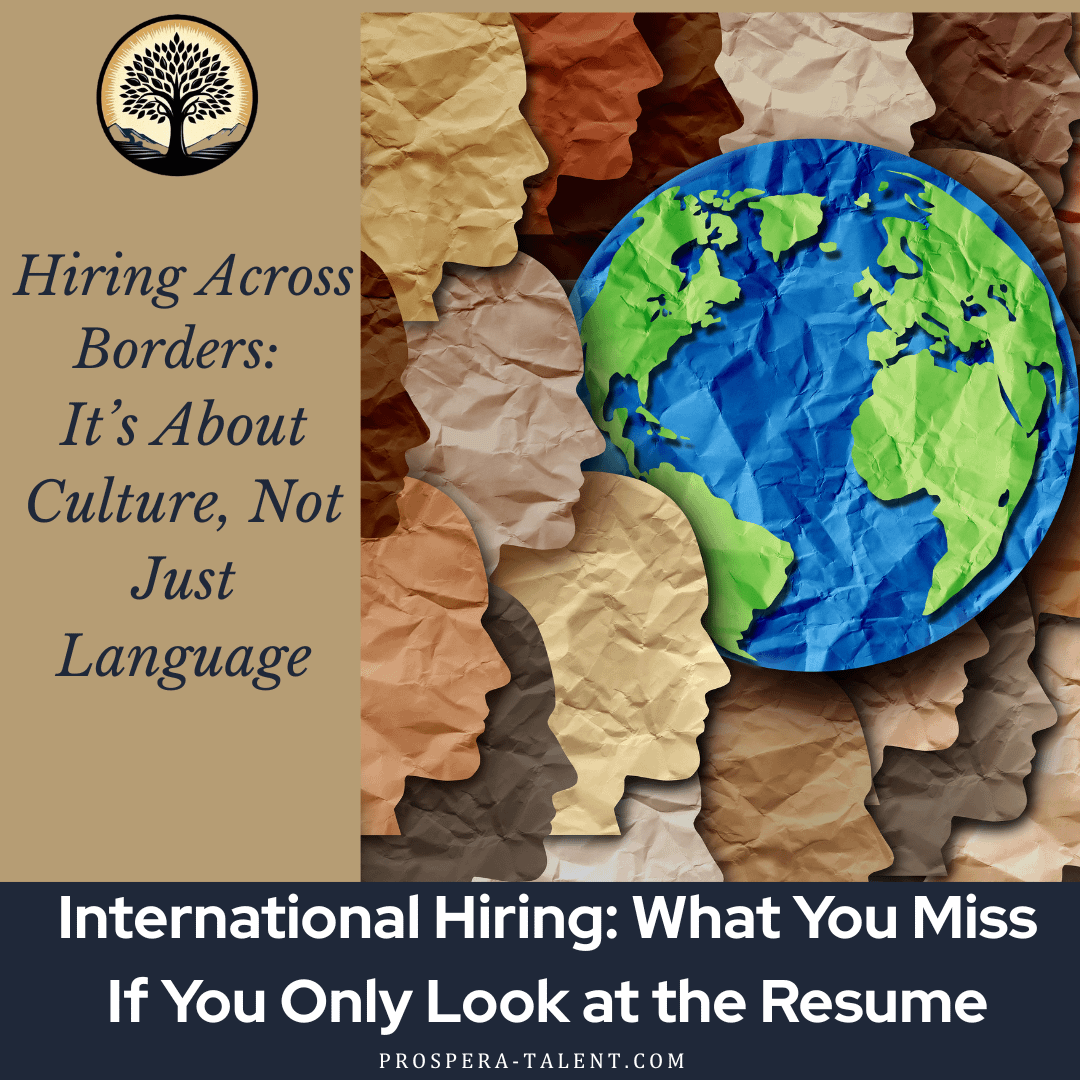
As businesses expand globally and remote work becomes the norm, hiring no longer stops at national borders. It’s now possible to build a distributed team across continents — without physical relocation or even formal international offices.
But with this opportunity comes complexity: language barriers, cultural differences, varied communication styles, and diverse workplace expectations.
To hire successfully across borders, it’s not enough to assess a candidate’s experience. You must understand the context in which they think, work, and collaborate.
1. Language Proficiency Is Not the Same as Communication Compatibility
Even if a candidate speaks the required language fluently, effective collaboration depends on much more. Consider:
- How they express disagreement or suggest ideas
- Whether they expect clear direction or take initiative
- Their comfort level with feedback, structure, and deadlines
- How they interpret silence or a delayed response
🌐 For example, professionals from Northern Europe may prefer directness and autonomy, while others may rely on personal relationships and flexible structure
2. Use the Right Sourcing Channels for Each Market
What works for hiring in one country may not work in another. Platforms and habits vary widely. For international hiring, it’s important to:
- Understand local job-seeking behavior
- Go beyond mass job ads — use targeted outreach
- Explore niche communities, industry-specific groups, and local job boards
🔍 What’s common in North America (e.g. LinkedIn outreach) may be less effective in other regions where referral culture or local portals dominate.
3. Understand the Candidate’s Motivation
Not every candidate is looking for an international job just for prestige or a pay bump. You need to understand:
- What excites them about working for a global company
- Their expectations for flexibility, support, and onboarding
- How they approach time zones and asynchronous communication
- Their level of readiness for working in a multicultural team
🎯 Matching technical skills is not enough — alignment in values and goals is key to long-term success.
4. Cultural Fit Matters — A Lot
A candidate may check all the boxes in terms of experience but struggle in a team environment due to:
- Different views on leadership and hierarchy
- Misinterpretation of feedback styles
- Different pace or expectations in collaboration
- Unclear communication preferences
👥 It’s essential to have early conversations about work styles, meeting norms, ownership, and expectations — on both sides.
5. Flexibility Is the Foundation of Successful Global Teams
International hiring requires a shift in mindset. Companies need to:
- Simplify hiring processes and make them accessible across cultures
- Offer clarity about company values, work environment, and role expectations
- Be mindful of time zones and communication rhythms
- Allow space for adaptation and onboarding across cultural gaps
🧩 Final Thoughts
Hiring across cultures is not just about reaching more candidates — it’s about building real connections between people, mindsets, and ways of working.
Companies that invest in understanding cultural nuance and communication style are more likely to build strong, loyal, and high-performing international teams.
#InternationalHiring #GlobalRecruitment #CrossCulturalTeams #RemoteWork #HiringAcrossBorders #HRStrategy #PeopleAndCulture #CommunicationMatters #InterculturalHiring #SmartHiring #TalentAcquisition #DiversityAndInclusion #FutureOfWork #SoftSkills #TeamAlignment