01Jul

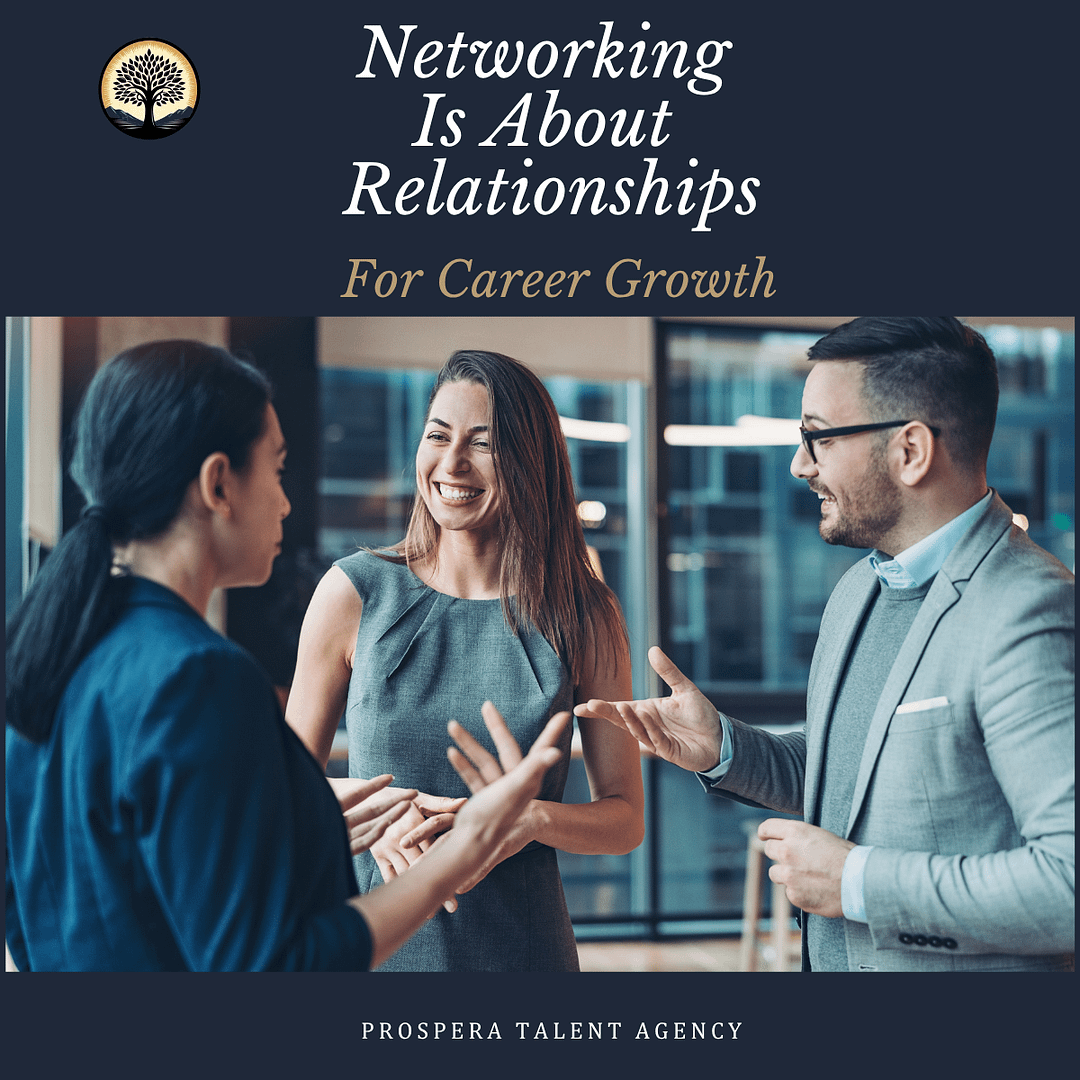
Networking Is Not About Collecting Contacts

When people hear the word networking, they often think about conferences, business cards, networking events, or building a long list of LinkedIn connections.

It is easy to assume that the more contacts you have, the more opportunities will come your way.

In reality, networking is not about the number of people you know.

It is about the quality of the relationships you build.

31Aug

7 Career Hacks That Actually Work

A career is not just a ladder you climb, one step after another, chasing the next job title.
In reality, it’s more like a mosaic of experiences, choices, connections, and timely opportunities.

Today, fewer people plan their careers “20 years ahead.” Instead, more and more professionals are searching for jobs where they can:
– grow,
– make an impact,
– keep learning,
-and be authentic.

So career growth is not only about moving “up.” It’s about developing across, forward, and sometimes sideways — while staying strategic about your path.

Here are 7 career hacks that will help you not just move, but truly grow.

29May

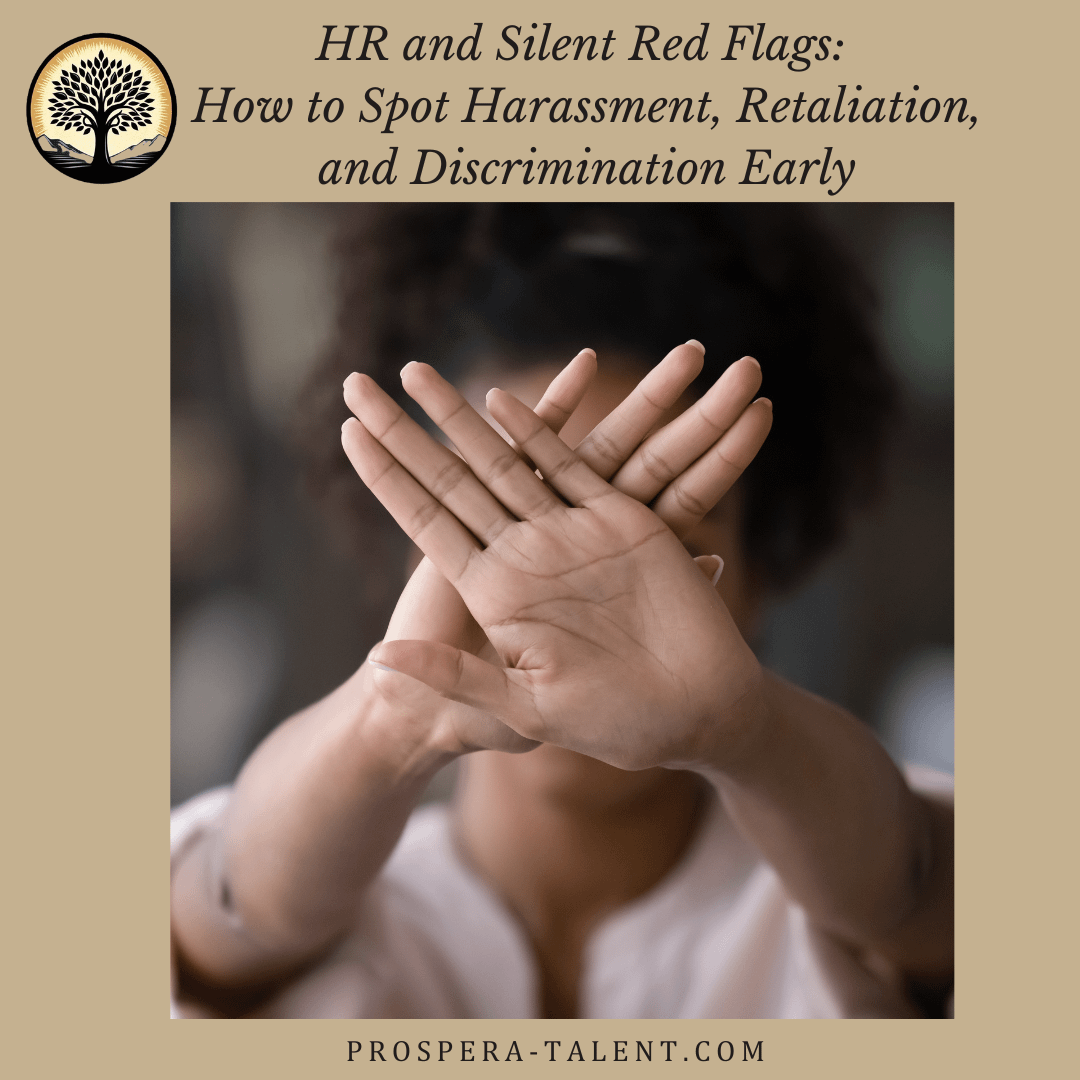
A Topic No One Likes to Talk About: How HR Should Respond to Harassment, Discrimination, and Retaliation

In any company—big or small, startup or international corporation—there can be moments that test not only the employee involved, but the entire organization.
Harassment, discrimination, and retaliation aren’t just legal terms. They represent real experiences that can destroy trust within a team, damage a company’s reputation, and severely affect someone’s career, well-being, and mental health.

At Prospera Talent Agency, we increasingly see HR professionals feeling unsure:
How should I react? When should I step in? What does the law say? Where is the line between an awkward joke and a violation of rights?

What These Terms Really Mean

Harassment isn’t always loud scandals. Sometimes it’s a series of “harmless” comments, personal questions, or innuendos that build an atmosphere of discomfort or humiliation.

Sexual harassment is a specific type of harassment involving unwanted sexual behavior or remarks.

Discrimination happens when someone is judged or treated unfairly not for their skills or performance, but based on gender, age, race, disability, religion, and other protected characteristics.

Retaliation is the most insidious reaction—when someone who speaks up faces silent punishment: being excluded, getting fewer tasks, or being let go. All of that is illegal.

The Law Exists — But It’s Not Always Enough

Different countries have strong legal frameworks. But laws only protect people if companies actually apply them in real life.

 In the U.S.:Federal laws like Title VII require employers to actively prevent and investigate harassment.
EEOC receives tens of thousands of complaints each year—many of them about retaliation.

 In the UK:The Equality Act 2010 allows employees to file a claim even without first reporting to HR. And tribunals often side with the employee.

 In Switzerland:The Equality Act requires companies to ensure a safe environment. If they fail to act, they are legally liable—even if the employer wasn’t directly involved.

Why HR Is a Key Player

Many HR professionals hesitate to escalate complaints. Some hope the situation will resolve on its own. Others fear management backlash.
But in reality, HR is often the only person who can prevent a crisis—not just legal, but reputational and cultural.

To do that, you have to go beyond policies and PDFs and ask yourself:
What would we do if this story came out in the press tomorrow?

What HR Must Do — Not in Theory, but in Practice

1. Make policies clear and human.
If your anti-harassment policy takes 10 pages to read and needs a lawyer to understand — no one will follow it. Use plain language and real examples. Break it down by role: what a manager should do, what an employee should do, what HR does.

2. Offer safe ways to report.
Anonymous forms, internal reporting channels, trusted contacts — the more options, the more likely someone will speak up.

3. Provide real training, not just formal checkboxes.
A harassment training shouldn’t just be slides with definitions. Use real scenarios, quotes that seem like “just jokes” but actually hurt. Let managers role-play tough conversations.

4. Respond quickly — and visibly.
When a complaint comes in, you can’t wait. Even if you’re unsure where to begin, showing that HR is listening and taking action matters.

5. Watch out for retaliation.
Often, employees aren’t afraid to report harassment — they’re afraid of what happens after. HR must monitor whether someone is being quietly excluded, ignored, or demoted after speaking up.

One Problem, Many Contexts

If your company operates in multiple countries, there is no one-size-fits-all solution.
Laws, norms, and cultural expectations vary greatly.

What you should do:

  • Review labor laws in every country where you operate.
  • Adapt policies to local realities.
  • Train local managers in their own language and legal context.

What You Can Do Today

  • Review your current harassment and retaliation policy: is it clear and relevant?
  • Meet with managers — not for a lecture, but a discussion. Ask them where they feel unprepared or confused.
  • Create a simple “what to do if…” roadmap for employees.
  • Run an anonymous safety survey: do employees feel safe? Do they know where to go for help?

In Conclusion

You can’t prevent every incident. But you can create a culture where no one has to face it alone.
Where HR is not a bystander, but a guardian.
Where compliance is not a checkbox, but a shared value.
Where company culture is more than a slogan — it’s how people behave every day.

If you’re ready to build a real prevention strategy in your company, Prospera Talent Agency can help — from policy to culture, from audits to action.

📬 hr@prospera-talent.com
🌐 prospera-talent.com

HRLeadership #WorkplaceSafety #HarassmentPrevention #InclusiveWorkplace #PeopleFirst #TrustCulture #RetaliationAwareness #HRCompliance #RespectAtWork #DiversityEquityInclusion

24Mar

🧩 Your Problems – Our Solutions:

How Prospera Helps Different Decision-Makers in the Hiring Process

Hiring isn’t just about filling vacancies. It’s a strategic process that involves multiple stakeholders — HR, talent acquisition, operations, finance, and the CEO. Each of them faces unique challenges, and at Prospera Talent Agency, we specialize in solving them with data-driven, automated, and personalized solutions.

Let’s take a deep dive into the top hiring challenges by role — and how Prospera provides clear, actionable solutions.

28Feb

What Work Format Do Candidates Prefer in Florida in 2025?

The job market in Florida, like the rest of the world, continues to evolve. In 2025, candidates increasingly seek flexibility, balance, and comfort in their work. Companies that consider these new preferences gain a competitive edge in attracting top talent. At Prospera Talent Agency, we analyze current trends and share what truly matters to candidates in 2025.

11Feb

The Job Market in Florida: Trends, Statistics, and Opportunities for Candidates and Employers

The job market in Florida has undergone significant changes in recent years. The COVID-19 pandemic, economic recovery, and shifts in both worker and employer needs have dramatically impacted the labor market. In this article, we will review key statistics about unemployment, active job seekers, and the trend toward job switching, and provide recommendations for both employers and candidates.

04Feb

Why Soft Skills Matter More Than You Think

In today’s job market, technical expertise alone is no longer enough. Soft skills—or interpersonal and professional behavioral skills—are becoming a critical factor in hiring and career growth.

Employers don’t just look for people who can do the job; they want people who can communicate, collaborate, and adapt to changes in the workplace. In a rapidly evolving business world, being able to work well with others and handle challenges effectively is just as important as technical ability.

So, why are soft skills so valuable, which ones matter the most, and how do employers evaluate them during interviews? Let’s dive in.

03Feb

Recruitment in the AI Era: Will Technology Replace HR Specialists?

Technology is rapidly transforming the recruitment industry, and artificial intelligence (AI) has become an integral part of the hiring process. Companies are leveraging AI to automate routine tasks, speed up candidate selection, and enhance efficiency. But can technology fully replace HR specialists? Let’s explore what has already been automated and where the human factor remains essential.

28Jan

How to Conduct the Perfect Interview: Tips for Employers

How to Conduct the Perfect Interview: Tips for Employers

The interview process is a critical step in hiring. A well-structured interview helps you not only assess a candidate’s skills but also determine if they’re a cultural fit for your organization. Conducting the perfect interview ensures that you identify the best talent for your team. Here are practical tips to help you master this process.

21Jan

5 Questions You Must Ask in an Interview to Stand Out

An interview isn’t just an opportunity for an employer to assess you – it’s also your chance to make a strong impression and learn more about the company. Asking the right questions shows your interest, preparation, and strategic thinking. Here are five questions that will help you stand out from other candidates.